I still remember the morning in August 2024 when the Black Myth: Wukong review embargo lifted. I was not a traditional reviewer. I was a content creator with a stream schedule, a thumbnail folder, and a bad habit of reading every document twice. The embargo lifted, reviews appeared, and then a different document landed in my inbox: a set of guidelines for streamers and video makers. Was it a review guide? No. It was a content creator guide, and that distinction mattered.
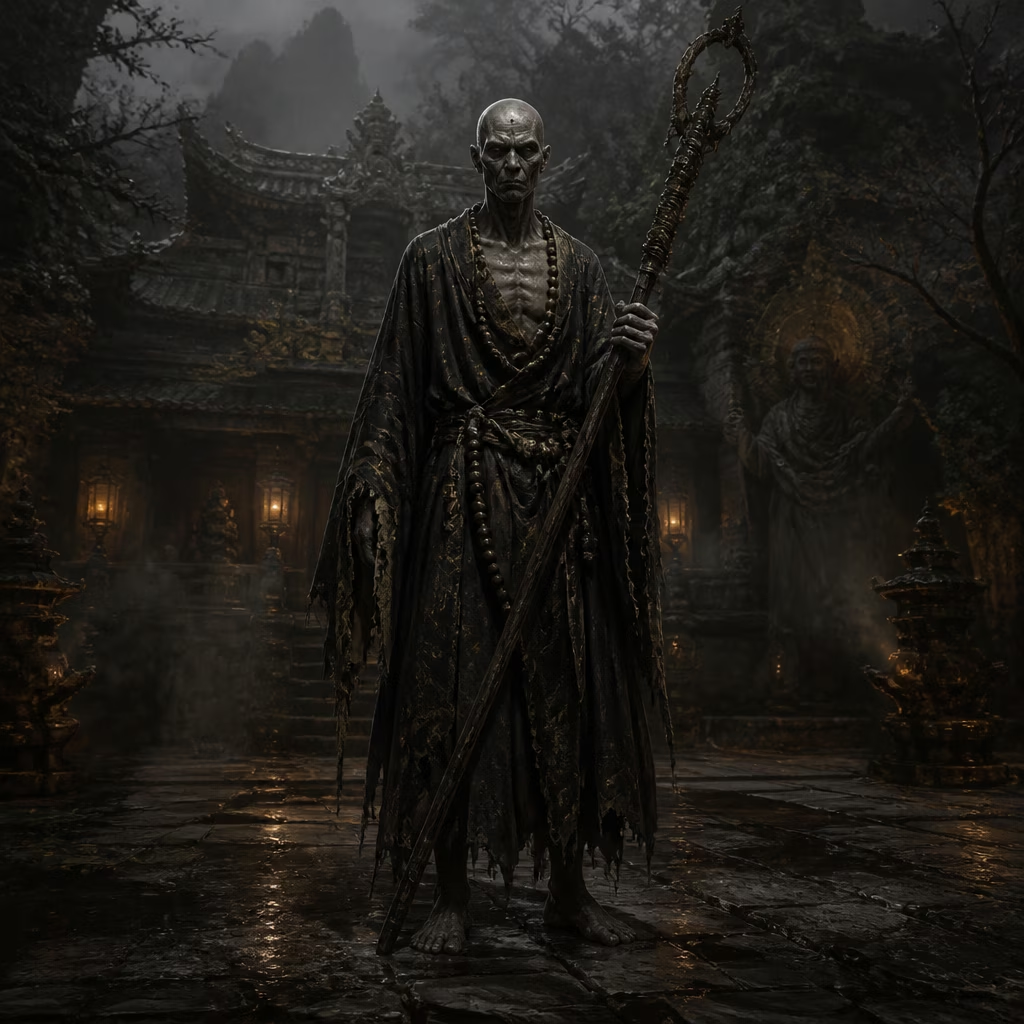
The document, confirmed by TechRaptor reporter Don Parsons, was not for press. It was for people like me. I read the bullet points and felt the room get a little smaller. Do not insult other influencers or players. Do not use offensive language or humor. Do not include politics, violence, nudity, feminist propaganda, fetishizations, or other content that instigates negative discourse. Do not use trigger words such as quarantine, isolation, or COVID-19. Do not discuss content related to China's game industry policies, opinions, or news.
I put the page down and asked myself a simple question: was this about keeping a stream clean, or about keeping a conversation narrow? The answer was not as simple as I wanted. On one hand, every sponsored stream I have ever done has some rules. Brands do not want their game paired with hate speech, harassment, or graphic content. That is normal. On the other hand, 'feminist propaganda' is not a neutral content category. It is a phrase with a history. And 'trigger words' such as quarantine or isolation are not insults. They are words. Why would a game about a monkey warrior and Chinese mythology need to ban them?
I am a storyteller first, so let me tell this as a story. I opened my streaming software. I looked at my overlay. I had planned a lore segment about Journey to the West, a combat segment about staff combos, and a Q&A. The guidelines did not say I could not criticize the game. That is worth saying clearly. The document did not contain a clause that said 'say only nice things.' It did contain a clause that made certain topics feel radioactive. There is a difference between a rule and a chill. A rule is written. A chill is felt.
Did that mean I threw away my stream plan? No. I did what most creators do: I adapted. I cut the Q&A. I kept the lore. I kept the combat. I talked about frame rate, boss design, and the way the game uses Chinese architecture. I did not talk about the pandemic. I did not talk about industry policy. I did not test the edges of the document. Was that cowardice? Maybe. Was it survival? Also maybe. In 2026, I can look back and see both.
The strange part is that the game itself was good. GameScience's debut landed with positive reviews, and my own chat was full of people asking about the PS5 footage that had just been released. The clip was short, but it looked good. The release date was August 20 on PS5 and PC. I remember thinking: the game does not need a shield this thick. A strong boss fight can speak for itself. A beautiful environment can speak for itself. Why wrap it in a document that makes people ask questions you do not want to answer?
That is the question I still carry into 2026. Creator guidelines are not evil by default. Paid streams need boundaries. Spoiler embargos need boundaries. Harassment rules need boundaries. But when a guideline moves from 'do not harass' to 'do not mention a pandemic' or 'do not discuss an industry,' it stops being a fence and starts being a filter. And filters are interesting things. They do not just block bad words. They block context.
Here is a small table I use when I explain this to friends:
| Guideline type | My reaction |
|---|---|
| No insults or harassment | ✅ Fair. Keep streams humane. |
| No offensive language or humor | 🟡 Depends on context, but understandable. |
| No politics, violence, nudity, or fetishization | 🟡 Broad, but common in brand deals. |
| No 'feminist propaganda' | 🔴 A loaded phrase, not a neutral category. |
| No 'quarantine,' 'isolation,' or 'COVID-19' | 🔴 Trigger words? More like history words. |
| No China game industry policy talk | 🔴 A wide gate around a wide subject. |
I also remember the follow-up conversations. Some people said, 'It was only for content creators, not press.' True. That is exactly why it mattered. Press reviews are one lane. Creator streams are another. Many players in 2024 and 2025 got their first impression from a streamer, not a review site. If the creator lane has a different set of acceptable topics, then the public conversation is being shaped in two different rooms. Is that fair? Is that normal? Is that something we should just shrug at because the game turned out well?
By 2026, I have made peace with the fact that I cannot control every document a publisher sends. I can control what I say yes to. I can read the fine print. I can ask for clarification. I can decide whether a paid stream is worth the silence. I can also remember that Black Myth: Wukong was a debut that did well, that its PS5 footage looked good, and that its release on August 20 was a big moment. The game deserves to be remembered for the game. The guidelines deserve to be remembered as a lesson in how not to overprotect a story.
So when a new creator agreement lands in my inbox, I read it twice. I ask: is this a fence or a filter? Is this protecting people, or protecting a narrative? And if I cannot answer, I do not hit 'accept' until I can. That is the habit I kept from August 2024. It is 2026 now, and I still think it is the right one.